
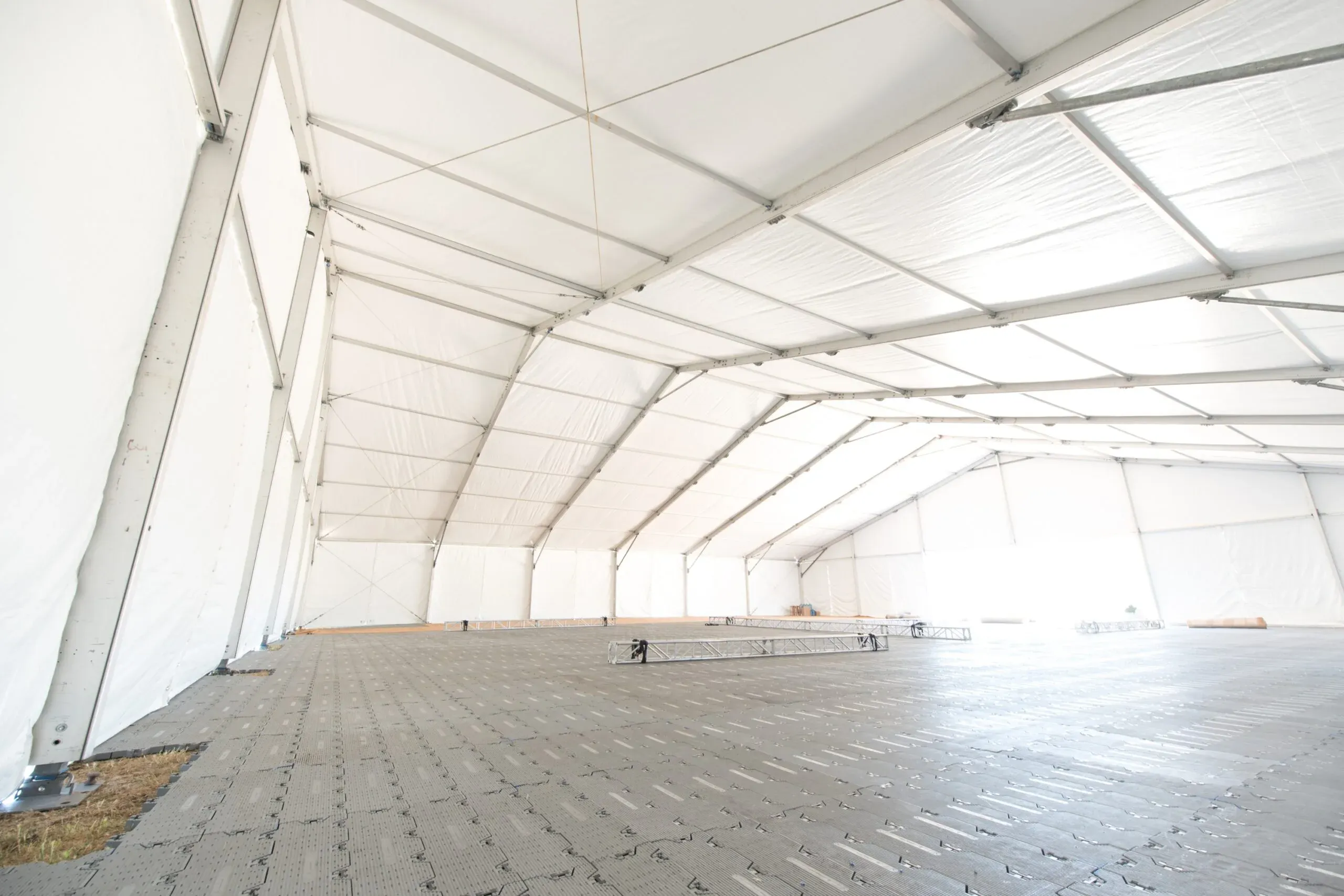
Construction cost comparison: steel halls vs traditional buildings
Choosing between a steel hall and a traditional brick-and-concrete production or warehouse building is a decision that affects construction cost, build time and long-term operating expenses. This article compares the two approaches across the main project dimensions.
Material costs
Comparing material costs
Steel — particularly in the form of light steel structures — is more expensive at the procurement stage, but its strength and low self-weight can lower overall construction cost. Traditional materials like concrete and brick require more complex foundations, which can increase costs further down the line.
Light steel structures vs traditional materials
Light steel structures allow for faster installation and lower transport costs. Choosing a steel hall structure represents a real saving of both time and money compared to traditional construction methods.
Design costs
Steel structure design
Steel structures are more flexible and easier to modify than traditional building designs. A steel structure design typically involves precise calculations that allow for the most efficient use of material.
Membrane architecture and tensile membrane envelopes
Modern technologies — such as high-quality tensile membrane envelopes — can be an integral part of a steel project, offering additional adaptability and excellent resistance to varied weather conditions.
Construction costs
Steel structure installation
Installing a steel structure, including a full steel hall, is typically faster and more economical than traditional methods. Producing steel components and prefabricating them in a workshop dramatically shortens the on-site construction phase.
Traditional construction methods
Traditional production and warehouse buildings require longer build time, which raises labour and material costs. Building a traditional hall typically also requires significantly higher financial outlays.
Operations and maintenance
Steel structure durability
Steel structures are more durable and damage-resistant, which translates into lower operating costs. Steel structure manufacturers focus on high-quality materials, which minimises the need for frequent repairs.
Maintenance of traditional buildings
Traditionally constructed buildings often require more frequent maintenance, which raises their total cost of ownership. Moisture, mould and other factors can affect the durability of the structure.
Project speed
Steel hall installation
The speed of completion is one of the key arguments for choosing steel. Prefabricated components are quick to install on site, which means the building can be put into use much sooner. If time is of the essence, it pays to work with a steel hall manufacturer that can prepare a professional steel structure design tailored to the client’s needs — and, where it adds value, design and install a tensile membrane canopy as part of the package.
Traditional construction timelines
Building with traditional methods is significantly more time-consuming, which can delay the handover of the building to the user. Higher costs from a long construction phase also drive up project management spending.
Space adaptability
Steel structures and design flexibility
A steel hall structure makes it easy to adapt the space to changing needs. The ability to modify the structure quickly is a real advantage for businesses in rapidly evolving sectors.
Tensile membrane canopies and other adaptive options
Adding tensile membrane canopies — for parking, terraces or outdoor work areas — opens up additional uses for the space. Membrane structures are lightweight, modern in appearance and easy to tailor to specific needs.
Sustainability
Steel recycling and tensile membrane envelopes
Metal structures made of steel are fully recyclable, which makes them a sustainable choice. Tensile membrane envelopes — including ETFE structures — also fit well into the trend of sustainable construction, offering energy-efficient and durable solutions.
Summary
The decision between a steel hall and a traditional production or warehouse building depends on many factors. Steel structures offer flexibility, durability and lower operating costs. Thanks to fast installation, prefabrication and adaptability, steel halls are often the more cost-effective choice. By choosing steel, investors can count on long-life, sustainable buildings that adapt easily to changing needs.
To learn more about our innovative solutions in tensile membrane and steel structures, get in touch with us — we will be happy to discuss your project and explore how we can help you bring your ideas to life.